
DeFi crypto assets (decentralized finance) are moving from early proof-of-concept toward real-world application, but participants first face not high returns, but three frequent risks: smart contract vulnerabilities, severe market volatility, and operational mistakes. Based on recent on-chain data and industry developments, this article offers actionable methods for risk identification and mitigation, helping investors build a basic security framework before participating in liquidity mining or lending protocols.
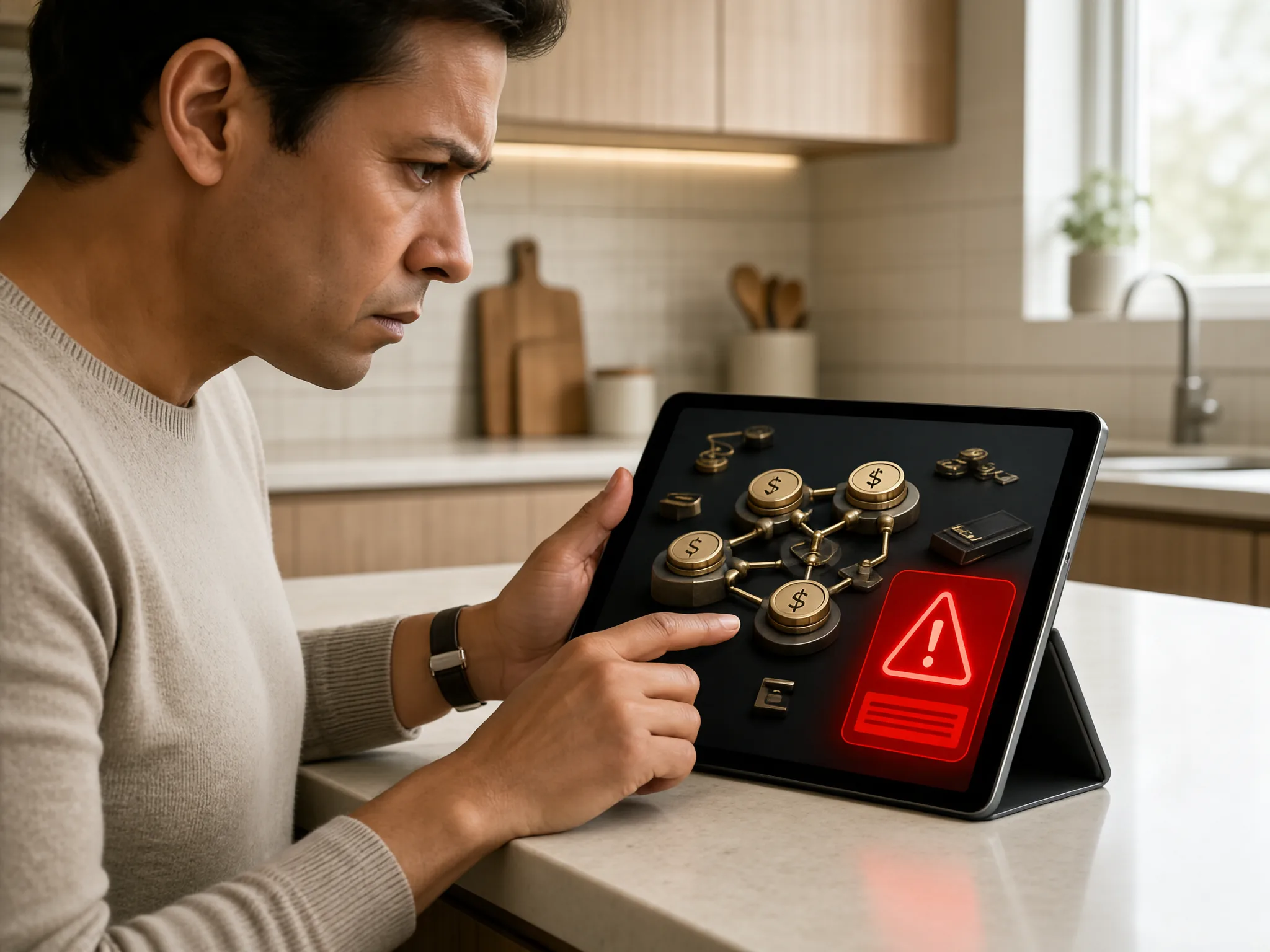
The current DeFi market total value locked has stabilized after a correction, while real-world asset tokenization and perpetual contract trading have become new growth points, but this has not changed its high-volatility nature. The following content focuses on real issues encountered in actual operations rather than theoretical introductions.
Why Smart Contract Risk Is the First Threshold for DeFi Crypto Assets
Smart contract code is difficult to change once deployed, and when vulnerabilities are exploited, user funds are often unrecoverable. Recent attacks show that cross-chain bridges and lending protocols are heavily hit areas, because their complex interaction logic increases audit difficulty. Before depositing assets, investors should check whether the protocol has undergone at least two independent audits and pay attention to whether the audit firm has disclosed the remediation status of known issues.

However, passing an audit does not equal absolute safety. Some projects add new code features after audits, and these unaudited portions are exactly high-risk areas. A practical approach is to check the protocol contract’s most recent update time via a block explorer; if updates are frequent and no audit report is published in sync, participation should be paused.
Impermanent Loss and Market Volatility: Why Yield Farming Can Lose Money
In liquidity mining, impermanent loss refers to the paper loss caused when asset prices change relative to deposit time, and it can offset or even exceed trading fee income. When two token prices move in opposite directions, the loss is especially pronounced. Evaluating whether a pool is worth participating in cannot rely solely on annualized yield;
potential impermanent loss under historical volatility must also be calculated.
Specific strategies to mitigate impermanent loss include: choosing asset pairs with high price correlation (such as stablecoin pairs or similar-asset pairs), or using single-sided liquidity protocols. In addition, setting clear take-profit and stop-loss points is equally important—partially withdrawing when floating returns reach the target, and avoiding expanded losses from hesitation during sharp market drops.
Operational Security and Asset Management: How to Protect Private Keys and Authorizations
The vast majority of DeFi fund losses stem from personal operational mistakes rather than protocol attacks. Private key leakage, clicking phishing links by mistake, and unlimited authorizations are the three main causes. Use a hardware wallet to store large assets, and carefully verify the amount limit of every authorization before signing a transaction. For hot wallets used frequently in daily interactions, it is recommended to set up a dedicated interaction address that holds only a small amount of funds for operations.
Revoking unnecessary contract authorizations is a commonly overlooked step. Regularly check and cancel authorizations on old contracts no longer in use through authorization management tools, preventing your assets from being affected if those contracts are attacked later. This operation has low cost but significantly reduces risk exposure.
What Ordinary Users Should Watch in New DeFi Crypto Asset Trends
Recent market focus has centered on real-world assets on-chain and infrastructure projects, and institutional research considers such platforms may become the financing layer for future tokenized assets. However, new narratives often come with valuation bubbles. For ordinary users, rather than chasing hotspots, it is better to observe whether capital inflows into these protocols remain sustained in actual usage, and whether their liquidation mechanisms have undergone stress testing under extreme market conditions.
Another trend worth noting is the change in the regulatory environment. Some jurisdictions have begun imposing clearer compliance requirements on DeFi protocols, which may affect the accessibility of certain tokens. Users should store assets in a diversified manner, avoid locking all funds in a single protocol, and follow regulatory developments reported by mainstream media to adjust their holdings in advance.
What Preparation Is Most Needed Before Investing in DeFi Crypto Assets
Before investing any funds, first run through the entire operation process with a small amount, including deposits, withdrawals, reward claims, and authorization revocations. This process helps you discover wallet compatibility issues, understand gas fee fluctuation ranges, and become familiar with the protocol interface. Do not skip this step and directly invest large amounts.
At the same time, build your own information tracking checklist: regularly check protocol official blog update logs, monitor total value locked trend changes, and follow vulnerability alerts published by security companies. When total value locked surges or drops abnormally in the short term, it often signals market sentiment changes or potential issues, and vigilance should be raised at that time.


Bitcoin has moved sharply lately, so the upside and the risk need to be measured together.
Checking network fees and platform rules before a transfer is especially important for beginners.
The article explains wallet security, exchange selection, and risk control in a practical way.