
Against the backdrop of increasing volatility in the current crypto market, UTXO (Unspent Transaction Output) management has become a core tool for institutions and long-term holders to optimize asset structures and improve capital efficiency. As capital flows from spot ETFs on major trading platforms stabilize and on-chain yield farming tools mature, how to systematically manage UTXO to preserve and increase asset value is becoming a focal point of industry attention. Below, we will start directly from the basic principles of UTXO, combine them with the current market environment, and analyze their practical application in asset allocation and yield farming.
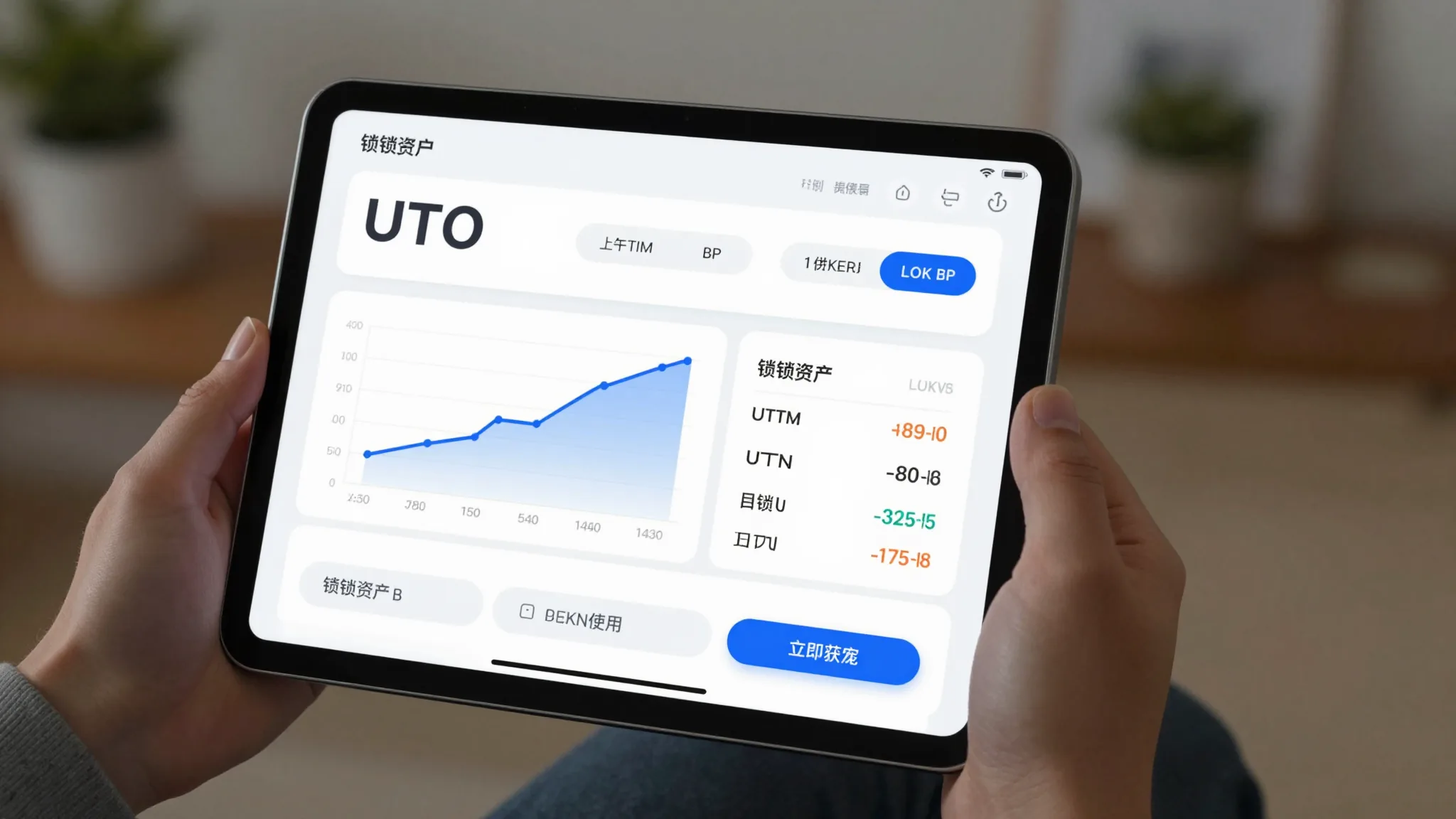
The UTXO model is the core mechanism of the underlying ledger of this crypto project, where each transaction completes value transfer by consuming old UTXOs and generating new UTXOs. Unlike the account model, the UTXO structure naturally possesses dual features of privacy and traceability, making it suitable for large-asset isolation and multi-signature management. For institutions holding large amounts of this crypto project, UTXO granularity control directly impacts transaction costs, fee optimization, and capital scheduling flexibility. Therefore, establishing a scientific UTXO management framework is a prerequisite for achieving efficient on-chain asset operations.
In practice, UTXO management needs to address three core questions: how to split large UTXOs to reduce single-transaction risk?How to combine small UTXOs to avoid on-chain congestion?How to bind UTXO with yield farming strategies to obtain liquidity rewards?

In response to these questions, various tools and protocols have emerged in the market, supporting users to automatically or manually adjust UTXO structures based on their own position sizes and risk preferences. For example, some protocols allow users to stake UTXOs into yield farming pools to earn native tokens or stablecoin rewards of this crypto project based on the lock-up period, while maintaining asset disposability.
Total Value Locked (TVL) in yield farming, or Farming Market Cap, is a key metric measuring the scale of UTXO participation in on-chain yield activities. Recent data shows that this indicator continues to climb in major yield farming protocols, reflecting strong market demand for on-chain yields. However, high locked volumes also come with smart contract risks and liquidity exhaustion risks. Therefore, before participating in yield farming, users need to evaluate the protocol’s audit records, collateral quality, and exit mechanisms to avoid asset freezing or liquidation due to extreme market conditions.
Another important direction of UTXO management is cross-chain asset integration. With the development of multi-chain ecosystems, users often hold assets related to this crypto project on different chains. Through cross-chain bridges or atomic swap technology, dispersed UTXOs can be unified and aggregated onto the main chain, reducing management complexity and improving asset utilization. However, it should be noted that cross-chain operations involve additional fees and security risks. It is recommended to prioritize bridging solutions that have undergone third-party audits and transfer assets in batches to control the impact of single points of failure.
Future UTXO Management Will Move Towards Automation
In the future, UTXO management will develop towards automation and intelligence. With the integration of on-chain data analysis tools and AI strategy models, users are expected to achieve dynamic UTXO splitting, yield farming participation, and risk hedging through one-click platforms. At the same time, the gradual clarification of regulatory frameworks will also provide compliance guarantees for institutional-level UTXO management. Against this background, early layout of UTXO management capabilities will become an important competitive advantage for participants in this crypto project ecosystem.
In Summary, UTXO Management Is More Than Just Technical Operations
In summary, UTXO management is not only a technical operation, but also a comprehensive reflection of asset allocation and risk control. In the current market environment, rational planning of UTXO structure, active participation in yield farming, and prudent assessment of cross-chain risks are key paths to achieving steady asset appreciation. Users should formulate personalized UTXO management strategies based on their own position size and risk tolerance to cope with changing market challenges.



Bitcoin has moved sharply lately, so the upside and the risk need to be measured together.
Checking network fees and platform rules before a transfer is especially important for beginners.
The article explains wallet security, exchange selection, and risk control in a practical way.