
As the Ethereum network continues to advance scaling upgrades in 2026, related investment and usage scenarios are constantly expanding, but the accompanying scam methods are becoming increasingly complex and diverse. Many users, when participating in Ethereum-related businesses, suffer digital asset losses due to phishing websites, fake wallets, or contract traps because of a lack of basic security awareness. Below, we directly address the core pain points of Ethereum security, providing actionable prevention methods to help users avoid common risks.

Although Ethereum’s technical architecture upgrades have improved transaction efficiency and network capacity, they have also provided new attack entry points for criminals. Whether for ordinary users storing assets or investors evaluating long-term value, security is always a prerequisite. Only by first clarifying the causes of scams and mastering protection steps can we rationally view Ethereum’s development prospects while ensuring asset security.
Common Causes of Ethereum Scams
One of the core causes of Ethereum scams is users’ lack of basic understanding of the underlying logic of public chains. Many users simply view Ethereum as “digital gold,” ignoring that its decentralized nature means assets cannot be recovered once transferred out. This cognitive bias gives scammers an opportunity. Additionally, the market is flooded with a large number of forged “Ethereum official customer service” and “airdrop claim links,” which exploit users’ desire for small gains to induce them to leak private keys or mnemonic phrases.
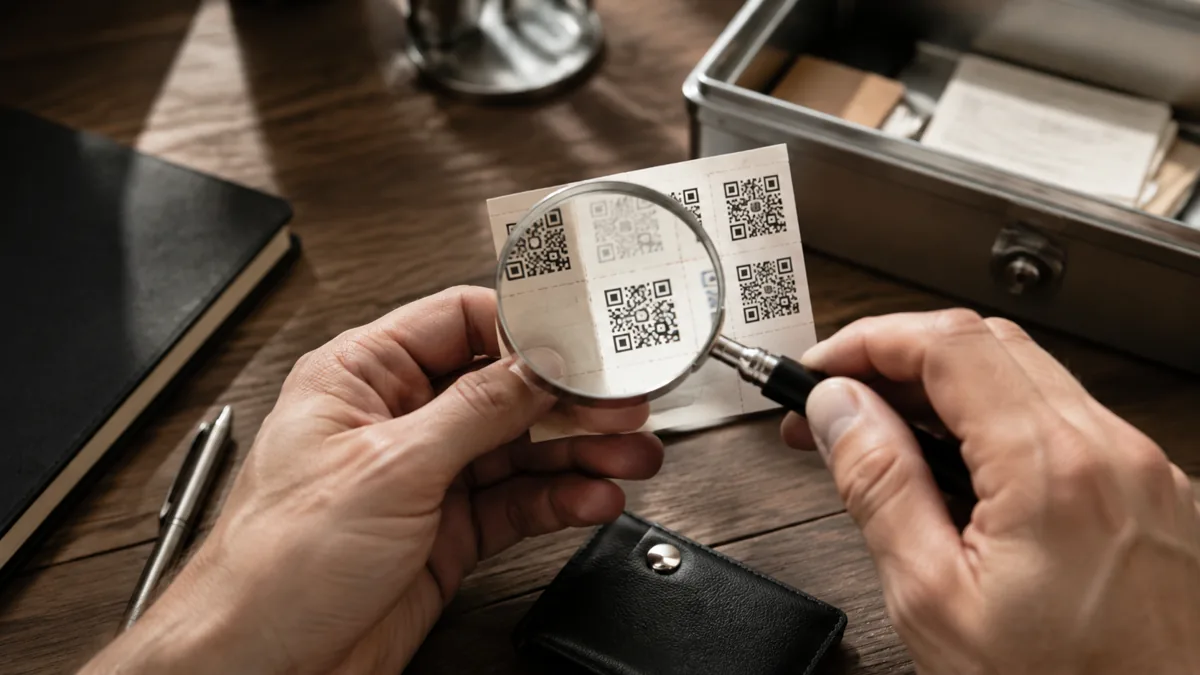
Another important cause is information asymmetry. Ethereum’s technical iteration speed is relatively fast, making it difficult for ordinary users to keep up with network upgrades, contract audits, and other dynamics in real time. Scammers take advantage of this information gap by forging “official upgrade notifications” and “node maintenance announcements” to induce users to download malicious software. At the same time, some trading platforms do not strictly review listed projects, leading to fake Ethereum-related tokens and wealth management products entering the market, further increasing the difficulty for users to distinguish them.
Core Steps for Ethereum Security Protection in 2026
choose compliant asset storage methods. Ordinary users should prioritize using non-custodial wallets that have been verified by the market, such as Metamask, Ledger, etc., and strictly follow the principle of “offline storage of mnemonic phrases, never record them online.” For large assets, it is recommended to use a combination of hardware wallets and multi-signature wallets to reduce the risk of single-point failure. Never use
y wallets from unknown sources, especially wallet applications recommended through social media private messages or unofficial forums.
Second, establish information discrimination habits. Before participating in Ethereum-related businesses, be sure to verify project information through official websites and official GitHub repositories, and be wary of counterfeit “Ethereum official websites” and “official customer service QQ groups.” For operations involving asset transfers, double-check contract addresses and receiving addresses multiple times. You can use blockchain browsers (such as Etherscan) to query the on-chain behavior of addresses and confirm whether they are known scam addresses. Additionally, it is recommended to disable the wallet’s automatic transaction authorization function to avoid assets being stolen by malicious contracts.
When downloading wallets, only obtain installation packages from official app stores or the project’s official website
Regularly check the wallet’s authorization list and revoke authorizations for idle contracts
Enable the wallet’s transaction amount limit function, requiring secondary verification for single transfers exceeding the set limit
Core Risk Warnings for Ethereum Investment
Ethereum price volatility is the primary risk faced by investors. As a public chain asset, Ethereum’s value is linked to multiple factors such as network ecosystem development, macroeconomic policies, and regulatory dynamics, and may experience significant price fluctuations in the short term. Some users are attracted by promotions of “high-yield wealth management” and “leveraged coin trading,” blindly using leverage, and ultimately suffer liquidation due to price fluctuations. This speculative behavior is unrelated to Ethereum’s long-term value and instead amplifies loss risks.
Technical risks should not be overlooked either. Although the Ethereum network has been upgraded, issues such as smart contract vulnerabilities and cross-chain bridge attacks still occasionally occur. In 2026, some Ethereum-based DeFi projects had user funds stolen due to incomplete contract audits. This type of risk is unrelated to Ethereum’s own technical architecture but rather due to the project party’s lack of security control. Before participating in related projects, investors need to focus on whether the project has been audited by authoritative institutions and whether it has a bug bounty program.
2026 Ethereum Value Outlook and Rational Advice
From a technical perspective, the scaling solutions (such as sharding technology and Layer2 ecosystem improvement) that Ethereum continues to advance in 2026 will further improve the network’s TPS and reduce Gas fees, providing more stable infrastructure for application scenarios such as DeFi and NFTs. Its technical moat as a public chain and the scale of its developer ecosystem still keep it in a leading position in the blockchain field. However, it must be clear that technical advantages do not mean short-term price will necessarily rise. Investors need to avoid directly linking technical narratives with short-term returns.
For ordinary users, it is recommended to include Ethereum investment in a long-term asset allocation framework and avoid investing funds that exceed their own risk tolerance. Prioritize buying and selling on compliant exchanges, and regularly transfer idle assets to cold wallets for storage. At the same time, maintain rational attention to industry dynamics, do not believe in “insider information” or “expert trading calls,” and use official announcements and authoritative audit reports as the basis for decision-making. Security is always the prerequisite for participating in the Ethereum ecosystem. Only by first doing a good job of risk prevention can we rationally view its long-term value.



Bitcoin has moved sharply lately, so the upside and the risk need to be measured together.
Checking network fees and platform rules before a transfer is especially important for beginners.
The article explains wallet security, exchange selection, and risk control in a practical way.
After experiencing exchange risk controls, I now use 2FA and avoid keeping all funds in one place.