
In 2026, the decentralized finance ecosystem is undergoing a profound reshuffling. Competition among protocols no longer relies solely on stacking total locked value figures, but has shifted toward a comprehensive assessment of capital efficiency, security resilience, and compliance boundaries. Recently, multiple security incidents involving hundreds of millions of dollars have exposed the fragility of the industry’s underlying architecture. At the same time, leading lending protocols have consolidated their market positions through multi-chain expansion and revenue buyback strategies. Investors and developers need to reassess their participation paths and place security and sustainability above short-term returns.

Therefore, understanding the current operating logic of decentralized finance has become an essential part of asset allocation. This article aims to outline the core dynamics of the sector in 2026, analyze the deeper reasons behind market confidence fluctuations, and provide a practical risk mitigation framework to help participants make rational decisions in an uncertain environment.
Protocol Survival Status and New Characteristics of Capital Flows
Entering 2026, the survival rate of decentralized finance platforms has become markedly differentiated. Leading lending protocols, with deep liquidity and cross-chain deployment capabilities, have captured total locked value exceeding the billion-dollar level, becoming the de facto standard in the industry. These protocols not only support multiple major public chains but also build self-sustaining mechanisms through interest income, liquidation fees, and flash loan fees. Some platforms even use real revenue generated by the protocol to buy back tokens, shifting the economic model from pure inflation-driven growth to value destruction and buyback-driven growth. This shift means that the era of simply attracting capital through high yields and rapid expansion has ended, and capital is beginning to concentrate in protocols with real revenue sources and risk resilience.
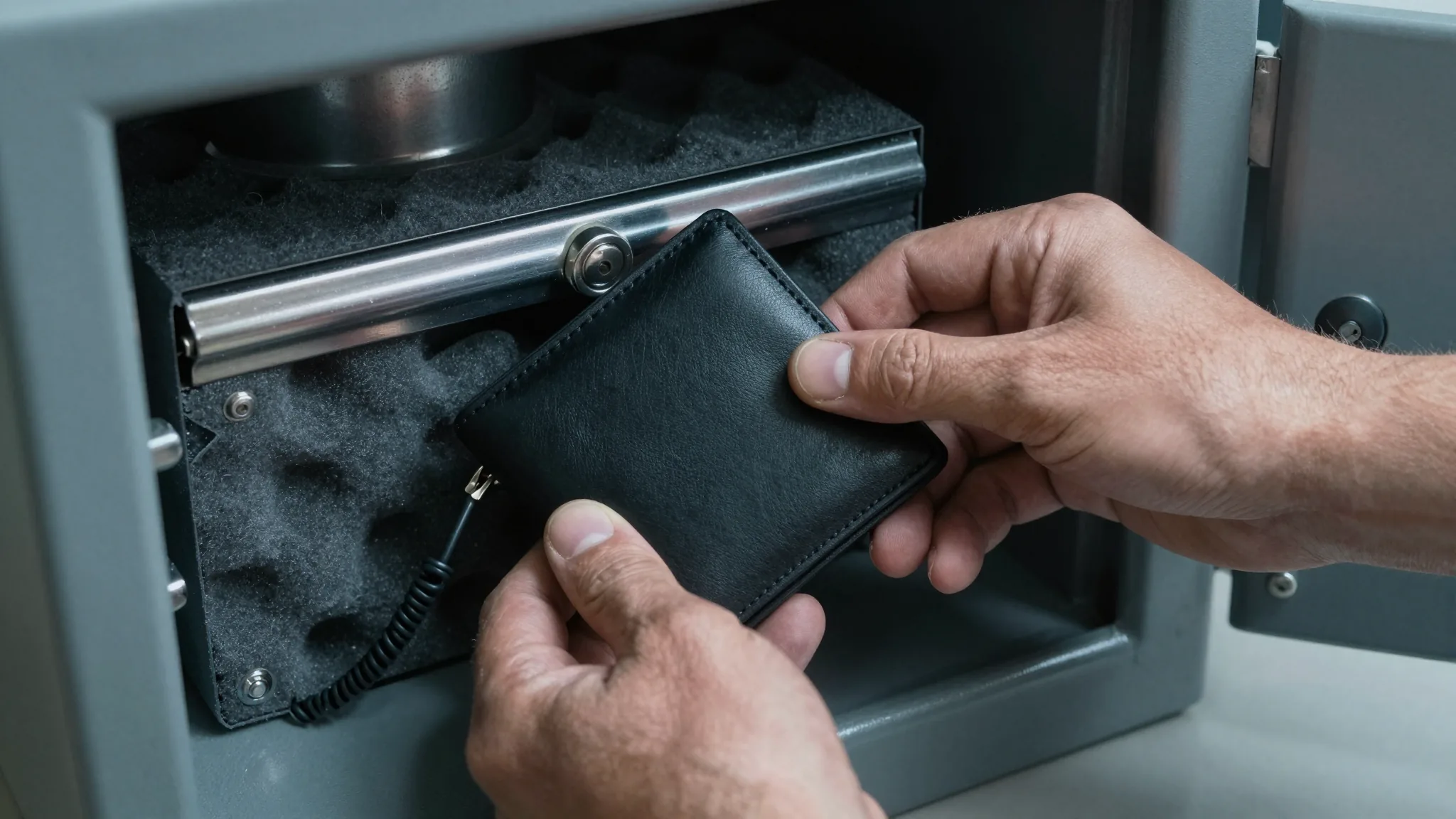
At the same time, emerging capital efficiency tools are reshaping how capital is allocated. Some platforms integrate liquid staking with lending, payments, and insurance functions, allowing users to earn multiple streams of yield while holding assets. While this composite strategy improves capital utilization, it also increases the coupling risk of underlying protocols. If a vulnerability appears in any single component, the entire capital pool may face cascading effects. As a result, capital flows exhibit two clear characteristics: concentration at the top and complex nesting. Investors pursuing high returns must remain vigilant about overlapping exposure in underlying assets.
Structural Defects Behind Frequent Security Incidents
Recently, a security incident involving approximately $290 million shocked the entire crypto industry. The incident originated from a complex logic vulnerability in a synthetic asset protocol and was traced to an organized hacking group. This event is not an isolated case;
rather, it exposes a common challenge facing decentralized finance in 2026: the complexity of smart contracts far exceeds human auditing capabilities, and attackers now possess industrialized attack methods. When protocols introduce cross-chain bridges, synthetic assets, and automated market-making mechanisms, the attack surface at the code level grows exponentially, and any single point of failure can be leveraged into systemic risk.
In addition, private key management and wallet migration have become new security concerns. With the application of artificial intelligence in cryptanalysis, traditional mnemonic phrase protection mechanisms face unprecedented pressure. Well-known industry researchers have publicly called for the establishment of a “fortress mode” plan to address private key recovery risks. This indicates that security threats have expanded from simple code vulnerabilities to the entire lifecycle of user identity authentication and key management. For ordinary users, this means that even if a protocol itself is secure, negligence in personal operations can still lead to permanent loss of assets.
Whether Participating in Decentralized Finance Still Holds Investment Value
Despite significantly increased risks, decentralized finance still holds investment value in 2026, but the premise is a shift from “speculation” to “allocation.” The core value of the sector lies in permissionless financial services and transparent revenue sources. Lending rates and staking yields offered by leading protocols have stabilized, making them effective tools for on-chain asset appreciation. However, this value must be built on strict risk control. Investors should no longer blindly chase high annualized yields from new protocols, but instead focus on audit records, insurance fund size, team background, and historical performance. Treating decentralized finance as a high-risk, high-return asset allocation category, rather than a get-rich-quick tool, is the starting point for rational participation.
For institutional participants, compliance and custody issues are equally critical. As traditional financial giants enter the crypto custody space, compliant asset custody services are paving the way for institutional capital to enter. However, retail users still need to manage their own private keys, which requires higher technical literacy and risk awareness. Therefore, the path to realizing investment value varies by participant type: retail investors should focus on technical security, while institutions should focus on compliance frameworks. Together, they form the investment landscape of decentralized finance in 2026.
Specific Action Recommendations for Building a Safe Participation Path
asset diversification is the first line of defense against systemic risk. Users should avoid concentrating all funds in a single protocol or a single chain, and should reduce the impact of single points of failure through cross-chain diversification.
regularly review the underlying code and audit reports of held protocols, pay attention to how quickly the community responds to security vulnerabilities, and choose protocols that have been able to stop losses and compensate users promptly in past incidents.
use hardware wallets or multi-signature wallets to store large amounts of assets, avoid holding principal in hot wallets for long periods, and keep only a small amount of liquidity for daily operations. Finally, establish a personal emergency recovery plan, including backing up mnemonic phrases, setting up emergency contacts, and understanding the protocol’s risk control switch mechanisms.
In addition, paying attention to the rise of industry insurance and loss recovery services is also a wise move. Emerging insurance protocols are attempting to provide fast claim channels for decentralized finance hacks, allowing holders to obtain compensation coverage by staking assets. Although these services themselves also carry risks, they provide an additional buffer for asset security. In 2026, participating in decentralized finance is no longer a simple “buy and hold” activity, but a technical investment activity that requires continuous monitoring and dynamic adjustment. Only by placing security above returns can one survive long-term in this uncertain ecosystem.



Bitcoin has moved sharply lately, so the upside and the risk need to be measured together.
Checking network fees and platform rules before a transfer is especially important for beginners.