
In 2026, crypto mining is shifting from an era of competing on hashrate to an era of competing on efficiency. The block rewards for mainstream mining varieties are entering a reduction cycle, daily revenue per mining device is clearly declining, while network-wide hashrate continues to rise due to new equipment entering the market. Meanwhile, electricity prices, site costs, and compliance costs have become the true dividing line determining whether a mining farm can survive. Understanding the keyword “mining 2026” essentially means understanding how revenue structure, hashrate sources, and risk exposure are changing simultaneously.
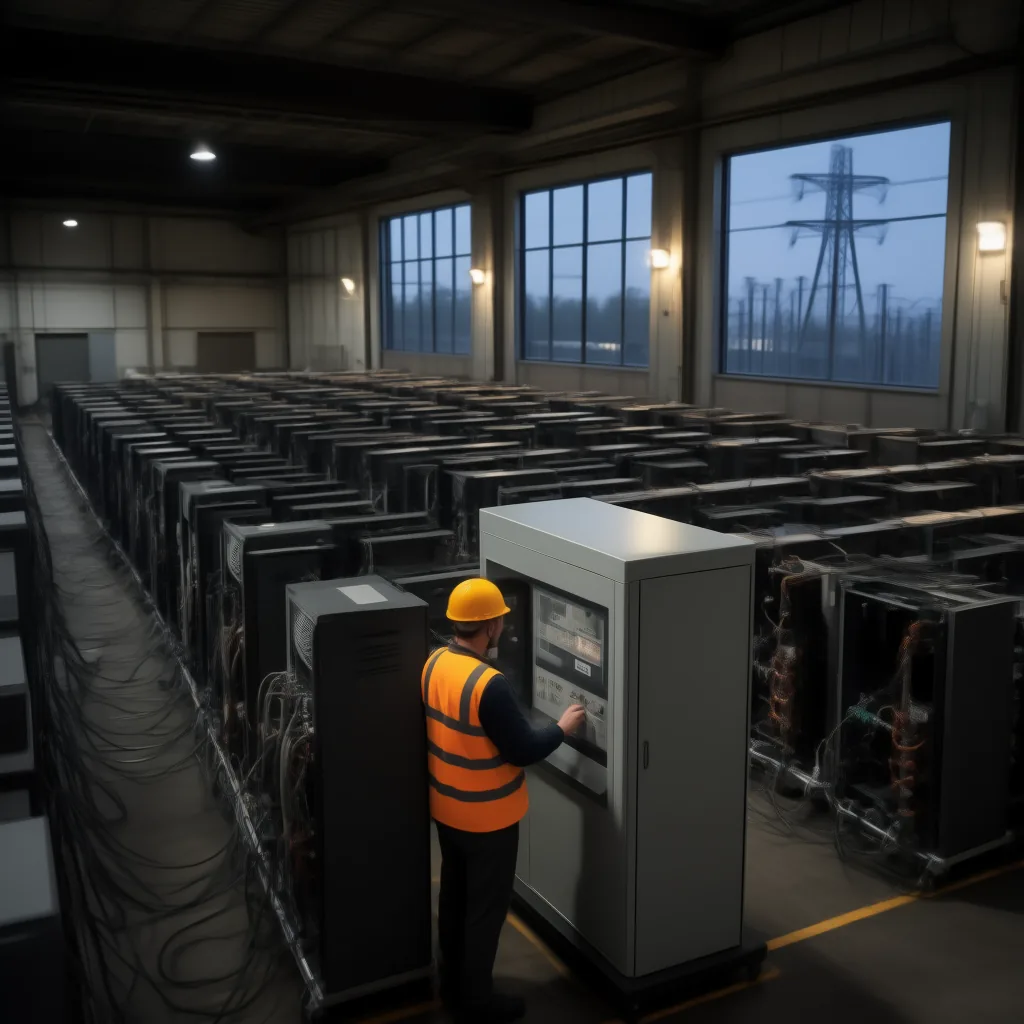
From recent industry trends, the contradiction on the mining side is no longer “whether there is hashrate,” but “whether the hashrate can still make money.” Large-scale long-term hashrate purchase agreements are being signed one after another, with upstream electricity and hashrate being locked in advance, while small and medium-sized hashrate operators are being squeezed during the electricity price uptrend. Declining revenue and rising entry barriers are happening simultaneously, dividing the industry into two extremes: a few low-cost resource holders and a large number of under-pressure retail participants.
Why the Revenue Structure of Mining 2026 Has Changed
The root cause of declining revenue is the mismatch between the pace of block reward reductions and network transaction activity. When block rewards decline according to the planned schedule, and the additional fee income from network congestion is unstable, the expected income per unit of hashrate naturally decreases. The previous expansion logic of “running more machines to dilute costs” has largely failed at this stage.
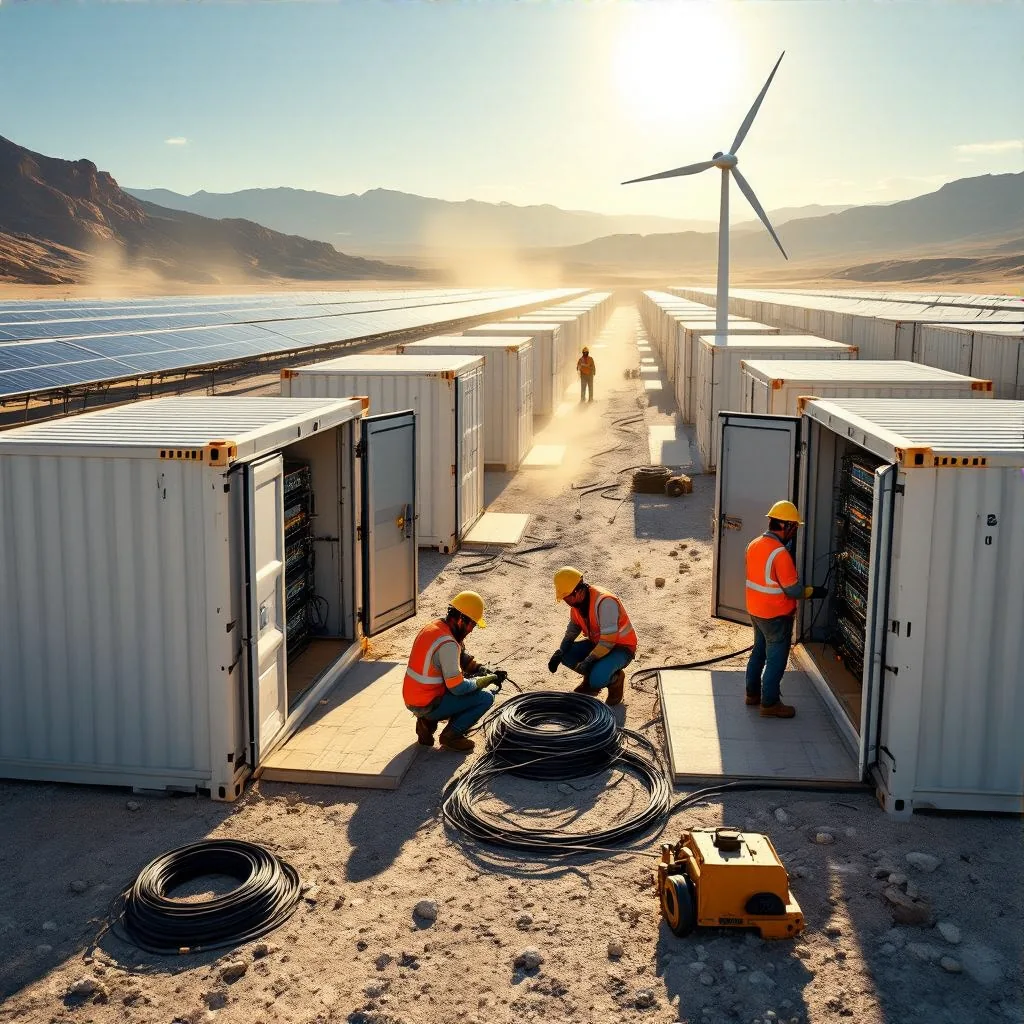
At the same time, the energy efficiency gap among devices has widened. Under the same hashrate, the difference in electricity consumption per unit between new low-energy devices and older models directly affects net revenue. Many old devices still in operation cannot cover electricity costs even at full output. This explains why rising network-wide hashrate does not necessarily support coin prices, but often accompanies a decline in miner profitability.
How Long Will the Hashrate Supply Tightness Last
In the short term, hashrate supply remains tight, but the reason has shifted from “electricity shortage” to “shortage of compliant and stable electricity.” Recently, multiple cross-cycle, cross-region long-term purchase agreements have been signed, indicating that upstream resource holders prefer to lock in revenue with long-term contracts rather than relying on spot price fluctuations. The prevalence of such long-term contracts will further narrow the bargaining space for small and medium-sized operators.
From a longer cycle perspective, the supply side will gradually shift to competition centered on energy efficiency and electricity structure. The previous model of winning through low-cost electricity locations continues to face pressure. Operators with multi-source power dispatch capabilities, who can convert curtailed electricity or off-peak electricity into stable hashrate, show significantly stronger resilience. This also explains why business models centered on reusing idle electricity have been repeatedly mentioned in the past two years.
Rising Risks in Mining Trading Platforms and Hosting Links
With rising revenue uncertainty, risks will transmit along the chain to trading and hosting links. There is a maturity mismatch between mining equipment, hashrate contracts, and tokens themselves: equipment depreciation cycles are measured in years, while contract and reward cycles are measured in weeks and months. Once coin prices drop rapidly, the exposure in between can only be borne by the operator alone.
Another easily overlooked issue is counterparty concentration. Some hashrate hosting and leasing arrangements lack effective default handling mechanisms. When payment cycles are extended, operators often have no choice but to wait passively. In this environment, verifying whether the hashrate source is real and whether settlement is executed based on on-chain verifiable data is more important than simply pursuing hashrate prices.
What Ordinary Participants Should Do: Three Actionable Judgments
Judgment 1: First calculate the net revenue per unit of electricity consumption, rather than looking at daily output figures. After deducting line losses and maintenance from the actual electricity price, if net revenue cannot cover the monthly amortization of equipment depreciation, expansion will only accelerate losses.
Judgment 2: Prioritize cash flow safety over scale. Equipment purchases should match existing payment cycles as much as possible, avoiding using short-term revenue expectations to cover long-term liabilities. The longer the lock-in period, the weaker the ability to withstand volatility.
Judgment 3: Prioritize certainty in electricity and compliance. A site with stable electricity prices and compliant access is more valuable than a site with higher book hashrate but uncertain electricity supply and policy, because mining is essentially a business that uses electricity and compliance as raw materials.
What to Watch in the Mining Market in the Second Half of 2026
The variables worth watching in the future are concentrated in three areas: the specific magnitude and effective time of the next reward mechanism adjustment, whether network fee income can offset the impact of reward reductions, and the stance of major regulatory frameworks on hashrate concentration and energy consumption. These factors together determine the growth rate of network-wide hashrate and the short-term elasticity of coin prices.
From a trend perspective, the mining industry is shifting from “piling up machines” to “managing efficiency.” Operators that can simultaneously reduce per-kilowatt-hour costs, improve equipment utilization, and lock in hashrate revenue with long-term purchase contracts will maintain cash flow during the revenue decline cycle. Conversely, participants who rely solely on borrowing and leverage to expand scale face double pressure.
Overall, the keywords for mining 2026 are efficiency and certainty coexisting. Mining remains a quantifiable industry, but the revenue structure has changed. The criteria for judging the quality of a project have also shifted from hashrate scale to management of per-unit electricity revenue and risk exposure.



Bitcoin has moved sharply lately, so the upside and the risk need to be measured together.
Checking network fees and platform rules before a transfer is especially important for beginners.
The article explains wallet security, exchange selection, and risk control in a practical way.